What "Safety" Really Means?
We all know that when we think about safety, the first picture that comes to mind is physical safety like secure locations, experienced instructors, and appropriate guidance. Although these are some of the crucial factors, summer camp safety is far more complex. A properly safe summer camp makes sure to have the following incorporated in the setup:
- Constant monitoring, safe equipment, and well-maintained facilities
- An environment devoid of pressure, fear, or bullying
- Hygienic conditions, wholesome food, and preparedness for medical care
- Children and staff should engage with respect
When children feel secure in their relationships as well as in their environment, they flourish. A best safe summer camp that fosters this harmony produces a satisfying and enduring experience.
Start with Research, Not Assumptions!
It's easy to be drawn to attractive brochures or social media posts filled with smiling faces and exciting activities. But choosing a camp requires a deeper look.
Start by:
- Reading reviews from other parents
- Asking for recommendations within your network
- Checking how long the camp has been operating
- Looking into the organization's credibility
Consistency and experience often indicate reliability. A camp that has been running successfully for years is more likely to have well-established safety practices.
Visit the Camp (If Possible)
Seeing a summer camp location with your own eyes and evaluating it is the best option. Before enrolling your child, schedule a visit to some of the best summer camps nearby.
Be mindful of:
- Hygiene and cleanliness
- Security at the entrance and exit
- Equipment and activity areas' state
- Does the overall atmosphere feel friendly and well-organized?
Your gut will sometimes tell you more than a checklist. It's worth reevaluating if something seems strange. Always trust your gut feeling!
Evaluate the Staff Carefully
The summer camp's instructors and staff are the most crucial aspect to factor for your child's experience and safety. When you visit the summer camp, make sure to ask queries such as:
- What is the ratio of workers to children?
- Do teachers have emergency response and first aid training?
- Have they worked with kids before?
A quality and safe summer camp guarantees that kids are constantly under supervision and that staff members are personable and focused. In case you have some personal suggestion related to your kid, please don't hesitate to ask and tell the same.
Check Safety Policies and Protocols
A reliable camp doesn't just claim to be safe—it has clear systems in place to ensure it.
Look for:
- Documented safety guidelines
- Emergency response procedures
- Medical support availability
- Rules for activities and supervision
Don't hesitate to ask for details and related aspects. A transparent camp will always be willing to explain how they handle different situations. This is important for your kid's safety.
Health and Hygiene Matter More Than You Think
Particularly in the summer, children are more susceptible to illnesses, dehydration, and exhaustion.
Verify that the summer camp offers and ensures to have the following:
- Pure drinking water
- Food that is clean (if meals are included)
- Frequent rest intervals and breaks
- Appropriate sanitary facilities
Additionally, find out if the summer camp gathers any medical data about your child, including any allergies or pre-existing disorders. In an emergency, one tiny action can have a significant impact.
Consider Emotional Well-Being
Remember safety is not just about preventing harm—it's about creating a space where children feel comfortable being themselves. Observe whether the camp you are choosing encourages kindness and inclusivity, has policies against bullying and promotes open communication. Therefore, children should never feel judged, ignored, or pressured. A supportive environment helps them build confidence and enjoy their time fully.
Review Activities with a Safety Lens
Summer camps should always be administered carefully, but adventure and enjoyment are important components. For every task and activity, you should ask yourself:
- Is it suitable for your kid's age and appropriate?
- Are there safety precautions and tools available?
- Are professionals with training in supervision?
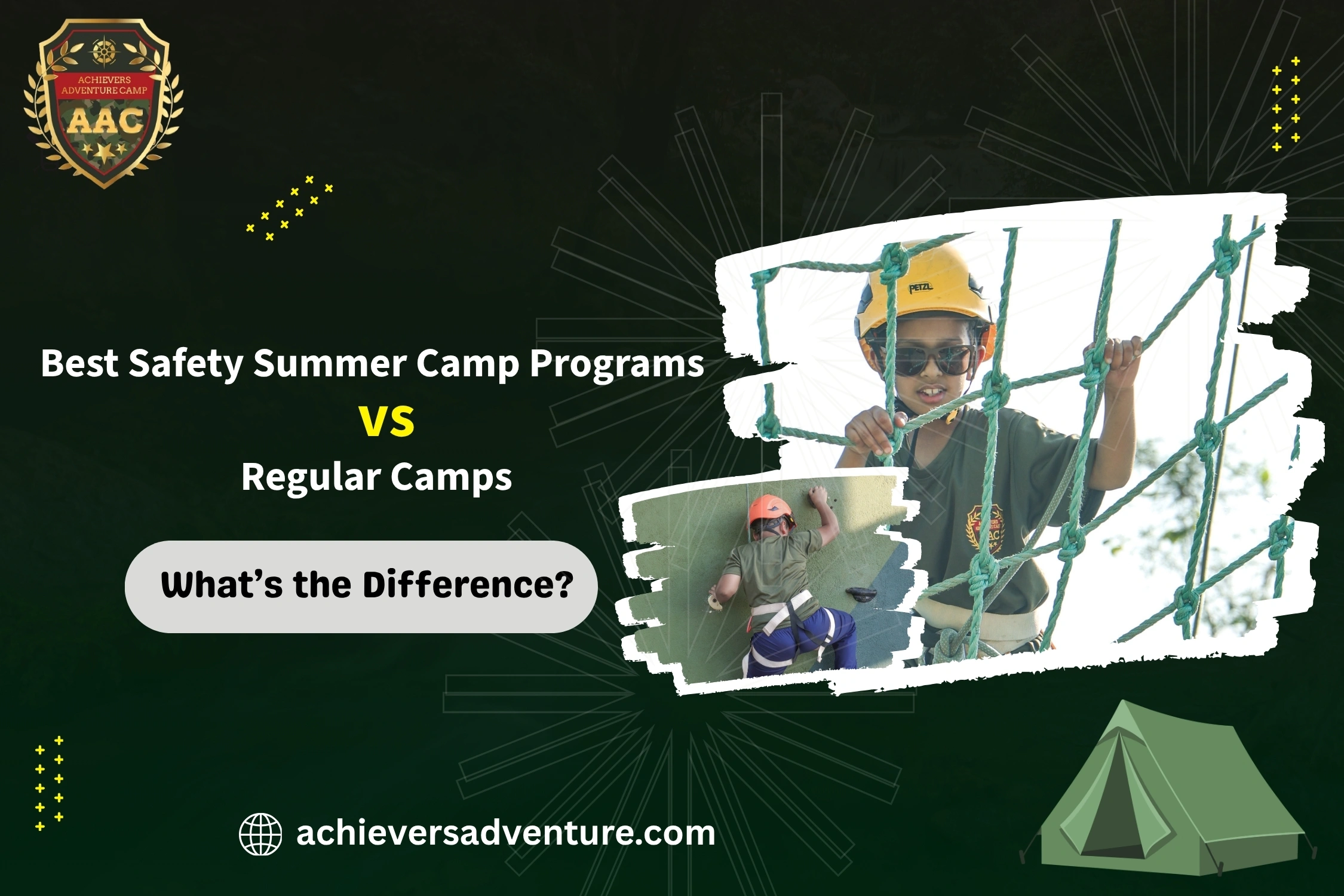
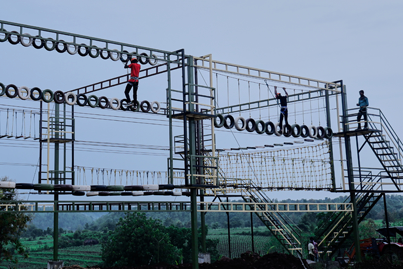
Strict safety regulations should be followed when engaging in activities like swimming, climbing, or outdoor games. Excitement never jeopardizes safety at a well-run camp.
Communication is Key
One of the most reassuring aspects for parents is clear and consistent communication. A good safe summer camp will always be ahead with sharing the schedules and updates regularly with parents, offering emergency contact details and informing parents immediately in case of any issue with their children. Remember, you should feel connected and informed, even when your child is away.
Start Small, Then Expand
If your child is attending a safe summer camp for the first time, consider starting with a shorter or day camp. This allows both you and your child to adjust gradually. Once they feel comfortable, you can explore longer or residential camps in the future.
Red Flags You Shouldn't Ignore
When all the above-mentioned things are taken care of, the last thing you need to do is always be aware of the red flags if some are encountered by you or your kid. These are like having no clear safety policies, untrained or inattentive staff, poor hygiene or infrastructure and limited communication with parents — A MAJOR RED FLAG!
If you notice either, walk away. No activity is worth compromising your child's safety. You are all set to get your kid introduced to the best safe summer camp now in Nagpur.
 Adventure
 April / 24 / 2026